Overreacting: Why It Happens and How to Manage Your Emotional Triggers
Sep 28, 2021
A reaction is usually an emotionally-neutral response to something or someone. An over-reaction is NOT emotionally neutral. Not. At. All.
And why do we over-react? Because we've just been triggered....by words, a look, a certain tone or silence. And 9 times out of 10, these triggers have an origin in our early years (typically childhood or adolescence). One time my husband and I were sarcastically bantering with each other and at one point he said, "don't be such a dummy." In general, this is not a cool thing to say...but my prefrontal cortex knew he was joking because of how we were bantering. However, my limbic system (emotional brain) wasn't so sure and I immediately over-reacted with RAGE! He was surprised by my over-reaction and honestly, so was I. Trusting my prefrontal cortex, I knew my husband did not believe I was stupid or dumb. But once I calmed myself, I asked myself what was THAT all about? I closed my eyes, started some deep breathing and waited for something to emerge...and something did. A memory. As a child I was a bit embarrassed having a mother who was illiterate, especially when she forced me to read all the time. Even as a little girl, I thought her forcing me to read was hypocritical since she wasn't trying to learn how to read herself. And she didn't hesitate to use phrases like "don't be stupid" quite a bit. As an adult, I understand she was doing this for my own good to motivate me to not be like her. Once this memory emerged, I simply visualized my adult self telling my child self "you are not stupid....you are very smart...mom has a lot of her own shame that she carries with her and it has nothing to do with you." After realizing my rage toward my husband was related to this childhood memory and doing this brief exercise, I felt released from that trigger and was no longer angry at my husband.

The True Overreacting Meaning
When we talk about the overreacting meaning, we are describing a physiological event where our internal response is disproportionate to the external stimulus. It is often described as a "displaced" emotion. You aren't just reacting to the person in front of you; you are reacting to every person from your past who made you feel that same specific way.
To "react" is to answer the present moment. To "overreact" is to answer a ghost from the past.
The Science of the Trigger: Why Do I Overreact?
To understand why we lose control, we have to look at how our brain processes information. This is often called the "Amygdala Hijack."
The Prefrontal Cortex: Your Logical CEO
This part of the brain is located right behind your forehead. It is responsible for logic, reasoning, and social context. It’s the part of me that knew my husband was bantering. It processes information slowly and carefully.
The Limbic System: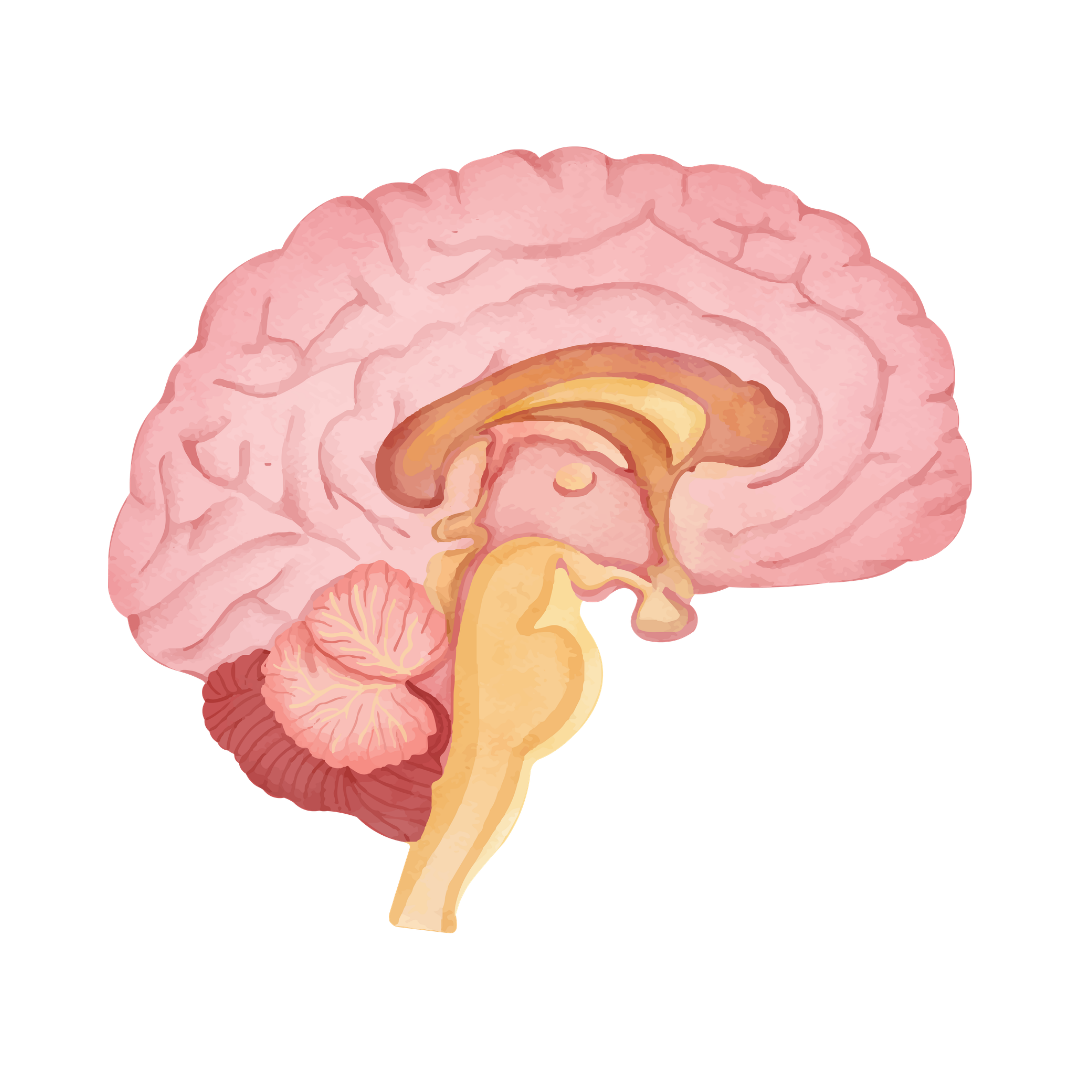 Your Emotional Security Guard
Deep inside the brain lies the limbic system, specifically the amygdala. This is your "emotional brain." It doesn't care about logic; it only cares about safety and survival. When it hears a word like "dummy" or "stupid," it doesn't wait for the prefrontal cortex to analyze if it's a joke. It pulls the fire alarm immediately.
When the limbic system takes over, your logical brain is essentially "offline." This is why you overreact—your brain has mistakenly identified a social comment as a survival threat.
How to Stop Overreacting: A Step-by-Step Guide
Learning how to stop overreacting isn't about "suppressing" your feelings; it's about bridging the gap between your emotional brain and your logical brain.
1. The 90-Second Rule
Scientifically, the chemical surge of an emotion only lasts about 90 seconds. If you can breathe through those first 90 seconds without speaking or acting, the physical "rage" or "panic" will begin to dissipate.
2. Identify the Physical Sensation
Before the scream or the tears, there is a physical feeling. Do you feel heat in your chest? Tightness in your throat? Clenching in your jaw? Recognizing these early signs allows you to intervene before the overreaction peaks.
3. Ask: "What is this really about?"
As I did in my story, use mindfulness to trace the origin. If the current situation is a "2" on the scale of importance, but your reaction is a "10," that extra "8" belongs to a past memory. Identifying that it’s about a childhood memory—like my mother calling me "stupid"—takes the power away from the current trigger.
Frequently Asked Questions (FAQ)
Q: What is the meaning of overreacting? A: Overreacting is an emotional response that is disproportionately intense compared to the situation at hand. It usually indicates that a "sore spot" or past trauma has been touched.
Q: Why do I overreact to small things? A: You likely aren't reacting to the small thing itself, but to the meaning you've attached to it based on early life experiences or "triggers."
Q: How can I stop overreacting in a relationship? A: Communication is key. Once you identify your triggers (like certain words or tones), share them with your partner when you are both calm.
Take the Next Step in Your Healing Journey
If you recognize these patterns in yourself, we can help. Overreacting is often just a signal that a part of your inner child is asking for healing and recognition.
-
Ready to start? You can
Contact Lisha -
Want to learn more? Read
About Lisha -
Logistics: View our
Fees & Forms

Stay connected with news and updates!
Join our mailing list to receive the latest news and updates from our team.
Don't worry, your information will not be shared.
We hate SPAM. We will never sell your information, for any reason.