|
(I wrote about the general concept of forgiveness in a previous blog. If it peeks your interest, you can read it here.)
Why is it so challenging to forgive ourselves?
Why is it easier to forgive those who have wronged us than it is for us to extend that same grace to ourselves?
I have a few theories:
1. We don't actually believe we deserve our own forgiveness, even after receiving forgiveness from others. We have forgotten that we are human and all humans hold the capacity to act from our Light side or from our Shadow side. We all possess these two sides of Self. It's part of the human experience and we can't avoid the shadow side no matter how much we try.
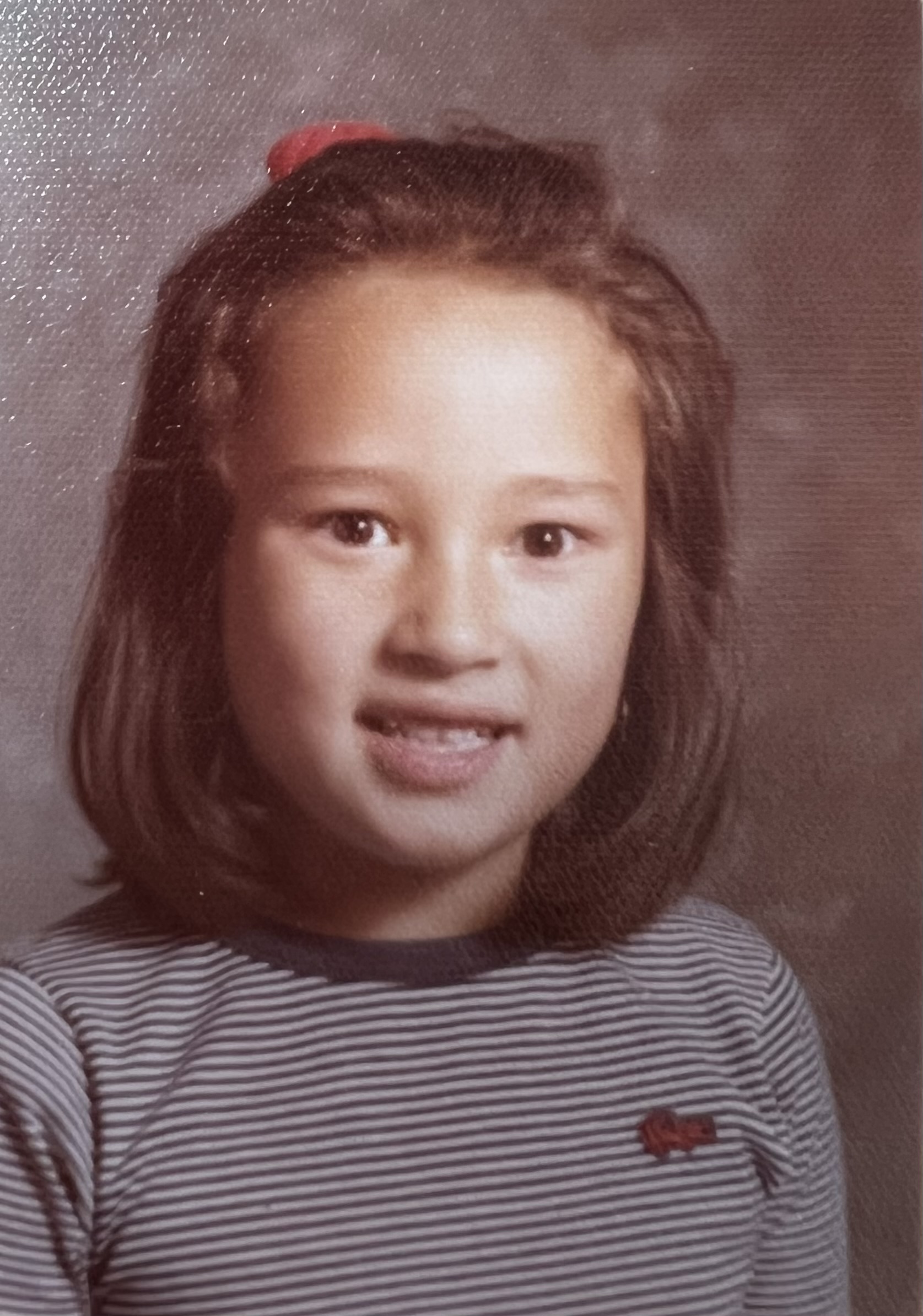
As an 8 year old, I went through a phase of stealing candy bars from the grocery store and I got away with it for a little while, but it did give me anxiety and I knew my luck would run out, so I eventually stopped. I never confessed or paid the store back for the ones I stole. Some of you may see that as my participating in typical childhood antics, testing the boundaries of the world around me. I can't explain exactly why I did it, except that it was something my mother wouldn't allow me to have. So, I took it. More than once. Maybe I did it because my mother had me on a fruit-only diet for getting "too chubby" and I wanted some control over my body and choices. Or maybe the sugar addiction was kicking in and I was becoming obsessed. Maybe both energies influenced my decision to steal. Who knows exactly, but my Shadow side won several times, until my Light side said, "Enough, or you will get caught."
I know it's easier to forgive a child than it is to forgive an adult, but usually when adults act poorly, it's because an inner wounded child/adolescent part was involved in the act, so why not use this as an opportunity to heal another layer of self-hatred?
It's too late for me to confess and make true amends with that store owner, so I walked through an exercise I facilitate for my clients when it's too late to make amends. I call it the Imaginal Apology exercise. You close your eyes and imagine that younger or earlier version of you is confessing an apology to the one you hurt or betrayed. For added support, you can also imagine your most nurturing, protective support system surrounding both of you with loving presence. I know it sounds basic, but the synergy between our true intentions and our imagination is incredibly potent. In the wake of disappointment and grief, your body’s sensations act as a compass, guiding you back to your true essence, your soul.
2. We begin to identify our bad choices with our character: I am a bad person. Even before I started stealing candy bars, I was heading down the path of believing I was an inherently bad person. I was being abused by someone who was supposed to be loving and protective. I wasn't kind toward my younger and severely autistic (nonverbal, non-executive functions, 24/7 care, etc.) brother because his needs took all of my mom's attention. She had nothing left for me and also expected me to help care for him. In my small world at the age of 8, I had already decided that I must be bad because I attract bad things, situations, and people into my life. None of these false beliefs emerged through conscious thought. Not at all. It just felt like a knowing. Kids feel more than they think. And when a feeling from an irrational belief lands in the body during a crucial time of brain development, it starts to feel like truth.

3. Forgiveness can feel like permission for the bad behavior. It's a strange belief, right? But 9.9 out of 10 clients have held this belief. We so badly don't want to repeat our bad behaviors, that we intentionally punish ourselves with the constant reminder of the bad thing we did. However, it is the opposite that will actually happen. On its own, punishment rarely rehabilitates. If the belief of being a bad person has already imbedded its way into your identity, what will stop you from behaving poorly in the future? You'll soon become a victim to it and begin to believe you can't help it, and eventually re-offend.

You see, forgiveness is an extension of love. An olive branch, if you will. When we combine our intention to repair our wrongful act with the energy of love, we are reborn. When we can extend this olive branch to ourselves, it becomes easier to extend that branch to others when they need grace. This then becomes a "pay it forward" kind of energy and through it all, we get to experience a more evolved, compassionate, and humane humanity.

...forgive yourself first so you could then forgive others and at last find a way to become the love that you want in this world."
~ Dilruba Ahmed
Remember your essence. Remember you are loved. Be gracious with yourself. Earth is challenging planet, friends.
Tread lightly, carefully.
Lovingly.
X O X O,
|